Moving house is exciting, but packing fragile items is where most people start feeling anxious. Glassware, crockery, mirrors, electronics, and décor pieces all carry emotional or financial value. One wrong move, one poorly packed box, and the damage can be irreversible.
After helping hundreds of people prepare for moves across Australia and researching professional packing methods used by experienced movers, one thing is clear: fragile items don’t break because of moving. They break because of poor packing.
This step-by-step guide will walk you through exactly how to pack fragile items for moving safely, using proven methods that professionals trust. No shortcuts. No guesswork. Just practical, real-world advice that works.
Fragile items are vulnerable not just to drops, but also to pressure, vibration, stacking weight, and sudden stops during transit. Many people assume wrapping something once in bubble wrap is enough. It isn’t.
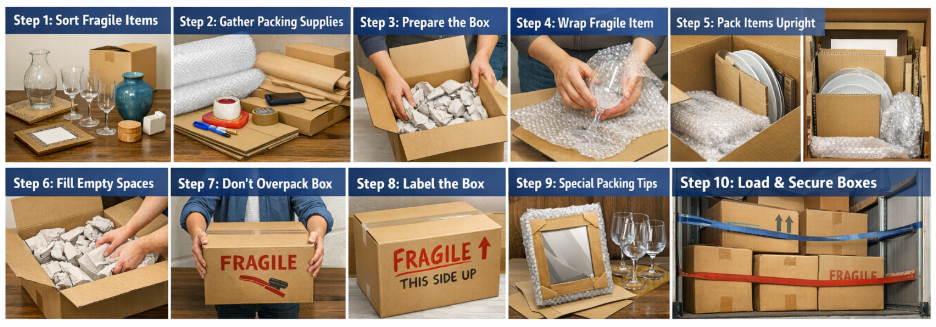
Proper packing protects against:
When fragile items are packed correctly, they can survive interstate moves, storage periods, and even rough roads without damage.
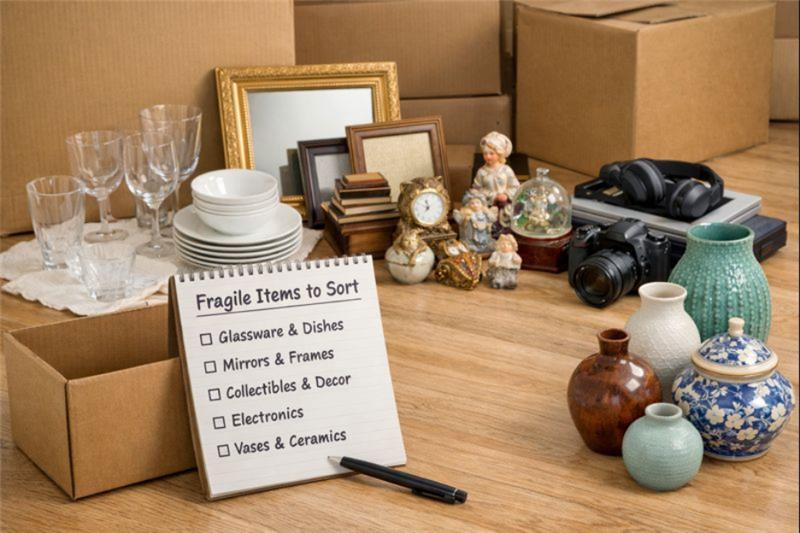
Before touching packing materials, take time to sort everything fragile in your home. This step prevents rushed decisions later.
Create separate groups such as:
Sorting helps you choose the right box size and packing method for each category, instead of treating everything the same.
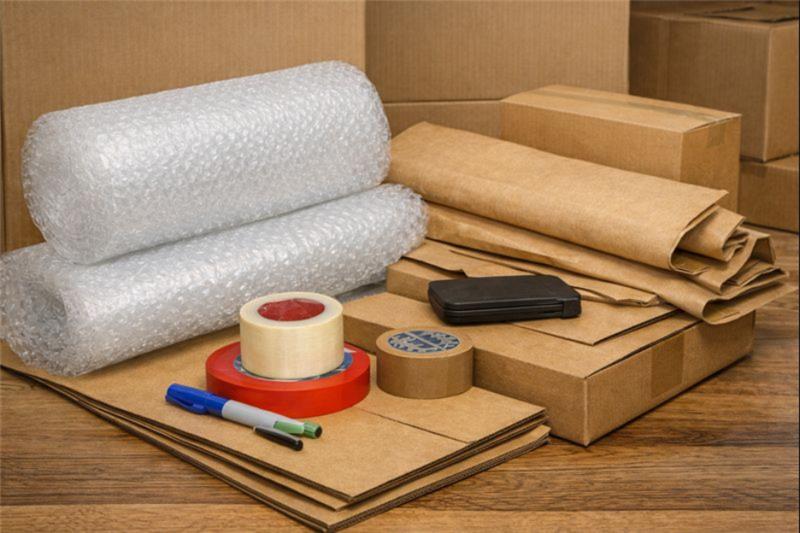
One of the biggest mistakes people make is trying to pack fragile items with leftover boxes and random newspaper. Professionals never do this.
Here’s what you actually need:
Avoid old boxes with soft corners or weakened bases. Fragile items need boxes that hold their shape under pressure.
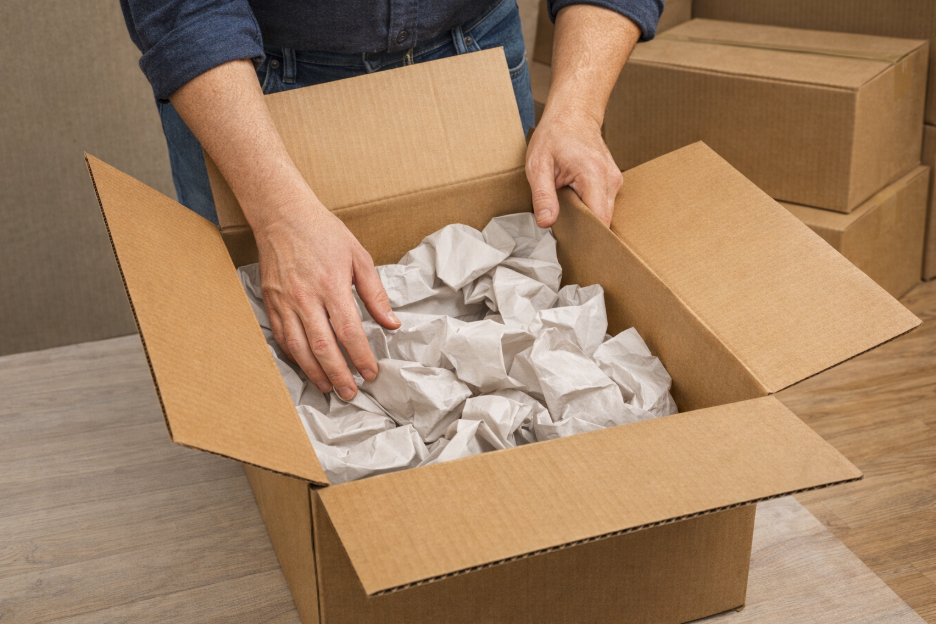
Never pack fragile items directly into an empty box.
Start by cushioning the base:
This base absorbs shock if the box is set down quickly or hits bumps during transport.
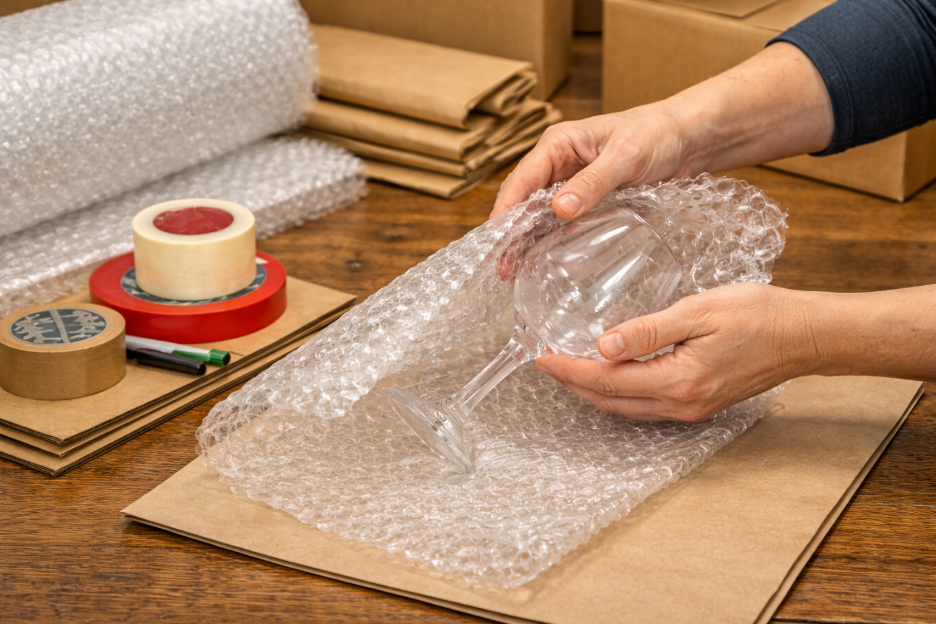
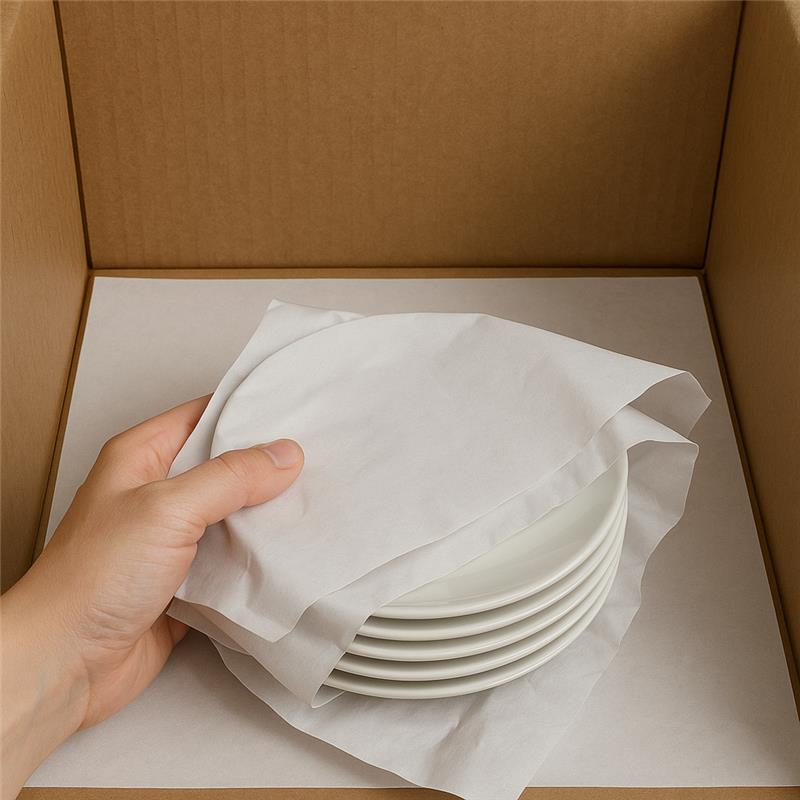
This step cannot be rushed. Every fragile item must be wrapped on its own.
For glassware and crockery:
For delicate décor and ceramics:
Never let two fragile items touch, even if they seem sturdy.
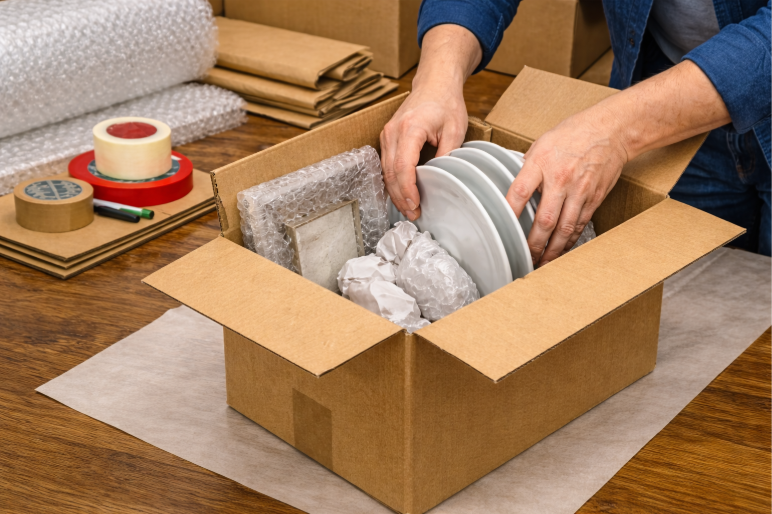
This is a professional packing rule many people don’t know.
Plates, frames, mirrors, and glass panels are far stronger when packed on their edge, not flat. When stacked flat, pressure from above can cause cracks.
Pack items vertically, side by side, with padding between each piece. Think of how records are stored rather than books stacked flat.
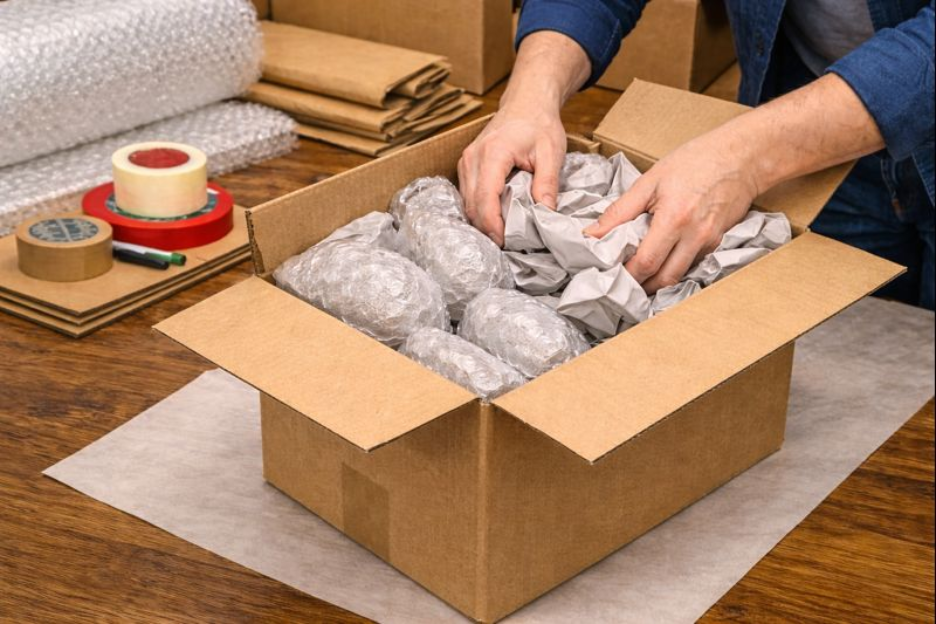
Empty space is dangerous for fragile items. Movement inside the box causes impact damage.
After placing wrapped items:
If you feel anything move, add more padding.
A heavy box filled with fragile items is a recipe for disaster.
Keep boxes manageable in weight. A good rule is that you should be able to lift the box comfortably without strain. Multiple smaller boxes are always safer than one heavy box.
This also reduces the risk of boxes being dropped during the move.
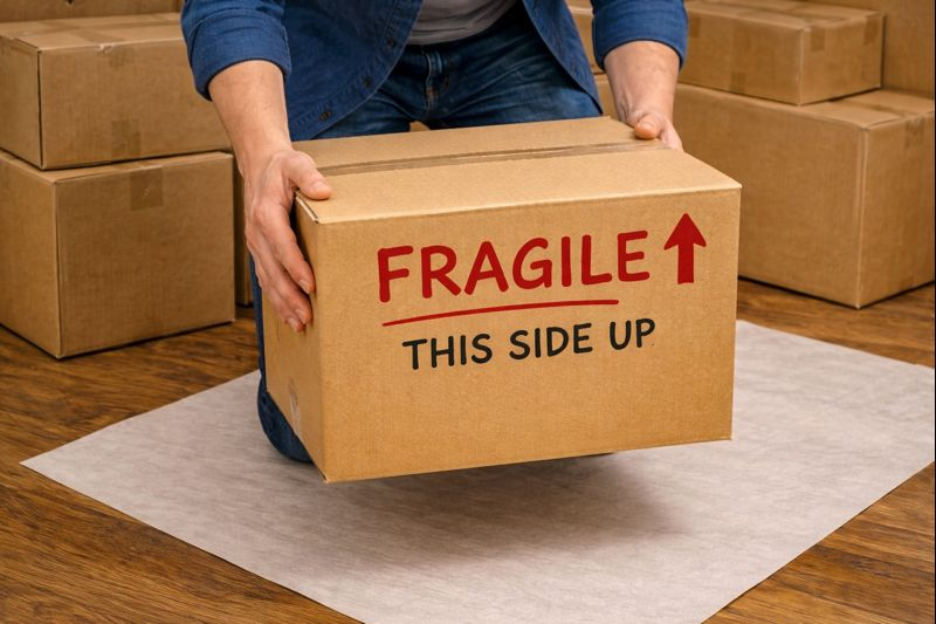
Labelling is not optional. It’s part of protecting your fragile items.
On each box, write:
Clear labelling helps movers stack boxes correctly and alerts anyone handling them to be extra careful.
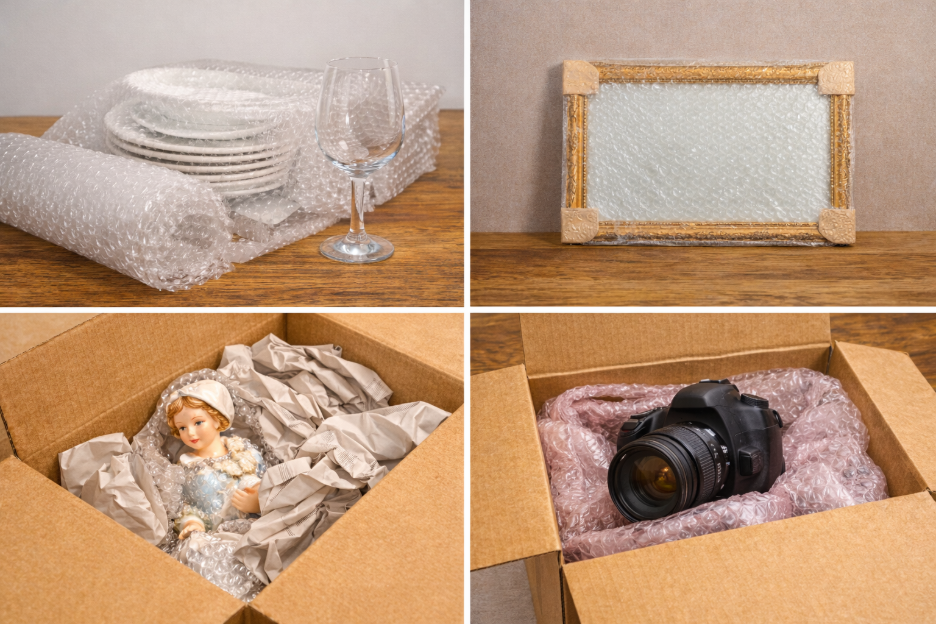
Use cardboard dividers where possible. Wrap stems carefully and place glasses upright. Never stack glasses on top of each other without dividers.
Cover the glass with cardboard cut to size, then wrap with bubble wrap. Use mirror cartons if available.
Pack in original boxes if possible. If not, use anti-static wrap and plenty of padding. Remove cables and pack them separately.
Remove bulbs. Wrap bases and shades separately. Never pack a shade inside the base.
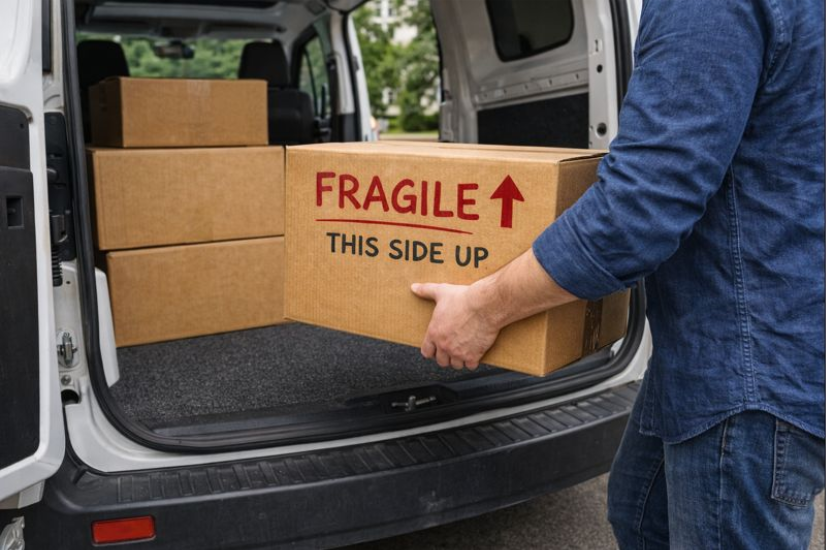
Packing doesn’t end once boxes are sealed.
Fragile boxes should be:
If items are going into storage, keep fragile boxes accessible and never stack heavy boxes on top.
If you’re confident, organised, and have the right materials, packing fragile items yourself is absolutely possible.
However, professional packers like Shift Buddies bring experience, specialised materials, and insurance coverage. For high-value or sentimental items, professional packing often provides peace of mind that DIY packing cannot.
Packing fragile items properly takes time, but replacing broken items takes money and emotional energy.
When done correctly, fragile packing becomes methodical rather than stressful. Follow each step carefully, use the right materials, and don’t rush the process. Your belongings will arrive safely, and you’ll start your new chapter without unnecessary losses.
A calm move starts with smart packing. And when it comes to fragile items, preparation is everything.
LOCATIONS & SUBURBS

From moving houses to office relocation services in records time, we’ve got the best removalist service in Brisbane – Book your next move with us online today!
© Copyright 2025 - Shift Buddies - All Rights Reserved | Designed, Marketing & Managed by Crazy Rise