As Australia’s population and migration patterns evolve, more people are choosing cities that offer a balance between opportunity, affordability, and lifestyle. In 2026, Brisbane stands out as one of the most popular cities to move to in the country. From a thriving economy and growing job opportunities to its relaxed outdoor lifestyle, Brisbane appeals to a wide range of people—from young professionals and families to students and entrepreneurs.
In this blog by Brisbane movers, we’ll explore why Brisbane continues to rise in prominence and popularity as a relocation destination, covering everything you need to know before making the move.
Brisbane’s increasing popularity is backed by statistics from the Australian Bureau of Statistics (ABS) and other government sources. In the year ending June 2025, all Australian state capitals experienced significant growth, with Brisbane among the fastest-growing. According to the ABS, capital cities added nearly 430,000 new residents overall, with Brisbane alone contributing a large portion of that growth. This trend highlights increasing interstate and overseas migration into the city, driven by opportunity and quality of life.
This growth is a key indicator that people are not only visiting Brisbane but choosing it as a long-term home. Seeing a city grow steadily in population is similar to watching a sapling turn into a strong tree—given the right conditions, it expands its reach and resilience, offering stability for all who settle there.
One of the core reasons Brisbane attracts movers is its expanding economy. As Queensland’s capital, Brisbane benefits from broad industry growth in sectors such as healthcare, education, technology, construction, professional services, and renewable energy.
Significant development projects, especially those tied to preparations for the Brisbane 2032 Olympic Games, have accelerated economic activity and job creation across the city. These investments translate into consistent work opportunities, not just short-term construction roles but ongoing employment across related industries.
Brisbane’s strong labour force and growing number of registered businesses—over 145,000 according to local government data—supports a healthy job market and creates fertile ground for career growth.
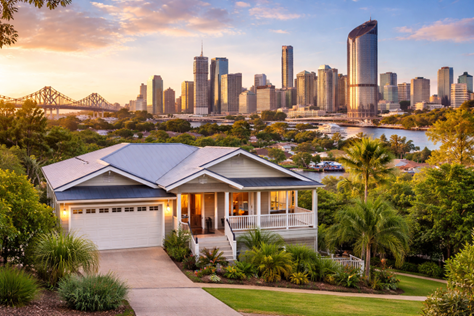
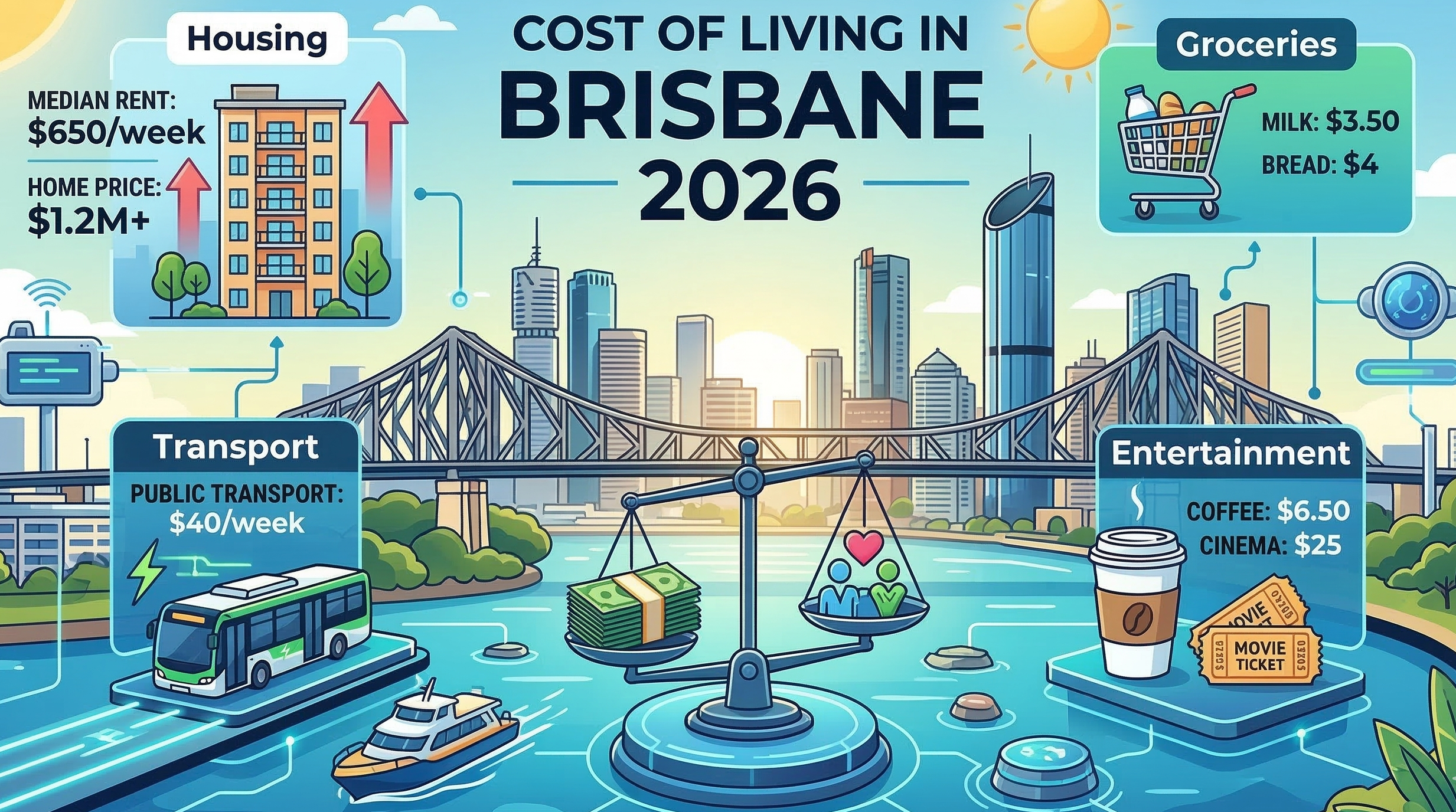
Affordability is a major factor driving people to Brisbane. While property prices have risen in recent years, Brisbane still offers better value for buyers and renters compared to Sydney and Melbourne.
On average, house prices in Brisbane remain significantly lower than in Sydney, making home ownership more accessible for first-time buyers and growing families. Rental costs, too, are more reasonable by national standards, with average weekly rents often ranging between AU 500 and AU 750 depending on the type and location of the property.
For buyers, median house prices in many Brisbane suburbs range between AU 850,000 and AU 1,100,000, while apartments often fall between AU 550,000 and AU 750,000. Although prices vary throughout the broader metropolitan area, these figures consistently show stronger affordability when compared with comparable markets in other state capitals.
Brisbane offers a lifestyle that many Australians now seek. The city enjoys more than 280 days of sunshine each year, creating a climate that naturally encourages outdoor living and active lifestyles. Residents can enjoy riverside parks, neighbourhood green spaces, scenic walking and cycling paths, world-class cultural precincts, and easy access to some of Australia’s most iconic beaches on the Gold Coast and Sunshine Coast.
This combination of urban convenience and natural beauty means you don’t have to choose between career opportunity and lifestyle—you can have both. Families find space and comfort, young professionals enjoy vibrant city life, and outdoor lovers are never far from a weekend escape.
Another reason Brisbane remains a top relocation destination is its commitment to modern infrastructure. Significant transport upgrades—such as the Cross River Rail project and major motorway improvements—are streamlining commuting and improving accessibility to the greater metropolitan area.
Education and healthcare infrastructure are also expanding, making the city attractive for families and international students alike. Brisbane is home to several leading universities, including The University of Queensland and Queensland University of Technology, heightening its reputation as an education hub.
These infrastructure investments support not only population growth but also quality of life, ensuring residents have access to the facilities they need without sacrificing convenience.
Many people considering relocation are drawn to Brisbane for its community vibe. Suburban areas such as Chermside, Carindale, North Lakes, and Springfield offer family-friendly neighbourhoods with parks, schools, shopping centres, and services close at hand. These suburbs allow residents to enjoy more space and a slower pace of life while still being connected to the city’s core.
Compared to larger capitals, Brisbane’s lower population density means fewer crowds and shorter commute times, resulting in less stress and a more balanced day-to-day experience.
Brisbane has increasingly become a destination for small businesses and startups. Lower commercial rents and supportive local government initiatives make it easier for entrepreneurs to establish a business without the heavy overheads found in more expensive cities.
Innovative sectors such as tech, creative industries, and professional services are increasingly establishing roots in Brisbane, supported by coworking spaces, incubators, and networking communities that foster collaboration and innovation.
While no Australian city is immune to cost of living pressures, Brisbane remains comparatively affordable. Costs related to groceries, utilities, fuel, and everyday services tend to be lower than in Sydney, while public transport fares are comparable or even lower. For many households, the overall cost advantage translates into financial breathing room—allowing residents to focus more on lifestyle and personal goals rather than managing expenses.
For a family of four, typical monthly living costs (excluding mortgage payments) can range between about AU 3500 and AU 4500 per month depending on lifestyle and location preferences.
Brisbane’s strong population growth, infrastructure expansion, and continued development are not just short-term trends. They indicate long-term momentum that supports property investment and economic resilience.
Investors often find Brisbane attractive due to stronger rental yields compared to other capitals and the long-term uplift expected as the city continues to benefit from major event infrastructure and global attention leading up to and beyond 2032.
Brisbane’s appeal is built on a blend of opportunity, affordability, and quality of life that few Australian cities can match. Whether you are a professional seeking new career prospects, a family in search of space and community, a student pursuing education, or someone looking to invest for the future, Brisbane presents a compelling choice.
In 2026, Brisbane is not just a place people move to—it is a city people choose for growth, stability, and a life well lived.
LOCATIONS & SUBURBS

From moving houses to office relocation services in records time, we’ve got the best removalist service in Brisbane – Book your next move with us online today!
© Copyright 2025 - Shift Buddies - All Rights Reserved | Designed, Marketing & Managed by Crazy Rise