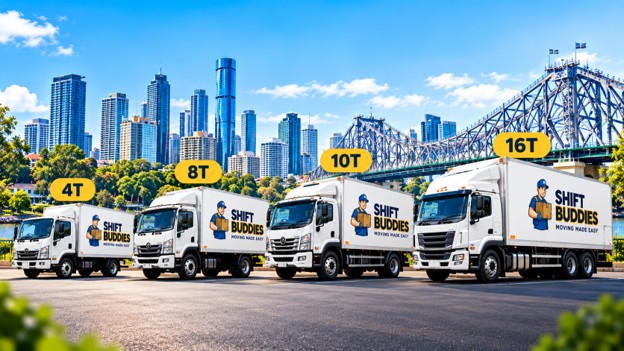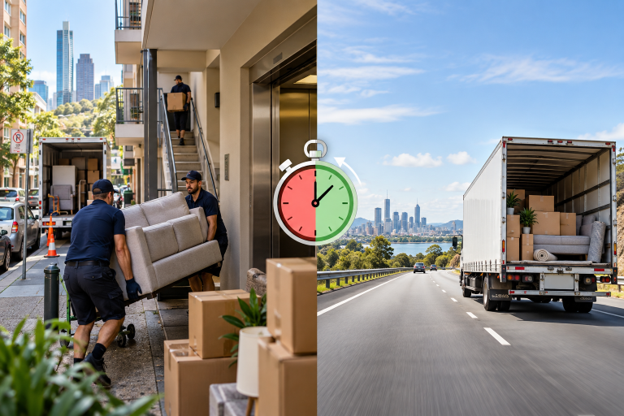
Shift Buddies is a Brisbane based removalist company headquartered in Kedron, offering house removals, furniture removals, office relocations and interstate moving services across Brisbane's Northside and Southside. The team works inside high set Queenslander homes regularly, where narrow timber stairs, raised stumps and steep driveways change how a move is planned and carried out.
If you are moving out of a Queenslander in Brisbane, you probably already know these homes are gorgeous but were never built with modern furniture in mind. This guide walks through the real challenges of stairs, stilts and steep driveways, and how to plan a safe move.
What sets a Queenslander move apart comes down to three things working against you at once, the stairs, the height of the home and the block it sits on.
Modern homes are built with access in mind. Queenslanders were built with ventilation, flooding and termites in mind, and the two priorities produce very different floor plans.
A few things that catch people off guard:
No two Queenslanders are exactly alike either. A home in Paddington built in 1910 sits differently to one in Kedron built in 1945, and the stump height, staircase angle and block slope will all be different. That variation is exactly why a site visit or detailed conversation with your removalist before moving day is worth the time.
Many Queenslander staircases were built well over a hundred years ago, long before queen size mattresses or large modern sofas existed. The stairs are often narrow and turn sharply partway up, so a sofa that fits a standard doorway can get stuck halfway up a heritage stairwell.
| Stair Problem | Why It Happens | What Helps |
|---|---|---|
| Narrow stairwell | Built for foot traffic, not furniture | Measure furniture before booking |
| Tight turns | Stairs saved space on small blocks | Tilt items, use furniture sliders |
| Worn steps | Many homes are over eighty years old | Walk the stairs first, use non slip mats |
| Low stair ceiling | Original ceilings were lower | Carry items on their side |
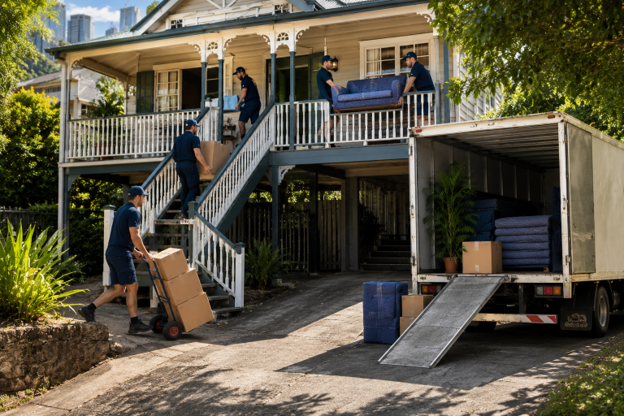
High set Queenslanders sit on stumps that can raise the floor two or three metres off the ground, often with a sloped ramp or external staircase from the yard. Removalists often carry furniture up an outside staircase first, then down an internal one, since the space underneath rarely connects to the living area above.
That double staircase problem is one of the most underestimated parts of a high set move. A piece of furniture might travel down an internal staircase, across a verandah, down an external staircase, across a yard and then up a ramp into the truck. Every one of those transitions is a potential moment for something to get knocked, scratched or dropped.
Brisbane sits across ridges and gullies, and many Queenslander blocks have driveways too steep for a standard truck to reverse down safely. In that case, the truck parks on the street instead, which adds extra carrying distance and time to the move.
The steeper the driveway, the more the whole job changes. A truck parked on the street rather than at the base of the stairs means every item has to travel further. On a long driveway, that extra distance adds up quickly across dozens of trips.
Here is what a steep driveway can mean in practice:
Weather also plays a role. A Brisbane summer storm the night before moving day can leave a steep driveway slippery enough to be genuinely dangerous. Checking the forecast and having non slip mats ready is a simple step that makes a real difference.
Brisbane has some genuinely steep streets, and several sit right inside suburbs known for character homes. Gower Street in Toowong is often named Brisbane's steepest street, with a slope of roughly 31 percent, and stories of trucks losing items down the hill are part of local legend.
| Suburb | Known Steep Street | Why It Matters for Movers |
|---|---|---|
| Toowong | Gower Street | One of Brisbane's steepest residential streets |
| Paddington | Given Terrace, Norwood Terrace | Hilly blocks, narrow driveways |
| Red Hill | Streets around the ridge | Elevated terrain, winding access |
| Highgate Hill | Dornoch Terrace | Steep ridge runs through the suburb |
| Bardon | Jubilee Terrace area | Tight streets, heritage homes on slopes |
| New Farm | Some riverside blocks | Steep access to older character homes |
| Wilston | Kedron Brook ridge streets | Elevated blocks common with Queenslanders |
These suburbs are also where Queenslanders are most densely concentrated, which is not a coincidence. The elevated, breezy blocks that were ideal for a ventilated timber home a hundred years ago are the same ones that make a moving truck work harder today.
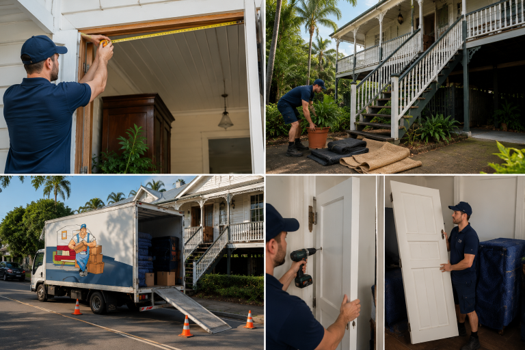
Good preparation matters more in a Queenslander, simply because there is less room for error on the stairs and driveway.
Beyond those basics, a Queenslander move rewards anyone who thinks a few steps ahead:
| Preparation Task | When to Do It | Why It Matters |
|---|---|---|
| Measure stairwell and doors | Two weeks before | Flags problems before booking |
| Walk the carry path | One week before | Identifies obstacles early |
| Share photos with removalist | When booking | No surprises on the day |
| Clear verandah and stairs | Night before | Reduces trip hazards |
| Remove door hinges if needed | Morning of move | Gains extra clearance |
| Move under-house items to yard | Day before | Keeps the move flowing in order |
Local Brisbane removalists who move Queenslanders every week know how to angle a couch around a tight stairwell turn, or judge whether a truck can safely reverse down a steep driveway. That hands on experience matters more than general moving experience, since every high set timber home in Brisbane has its own quirks shaped by its age, stumps and block, and a team that already knows these patterns lowers the risk of damage to your home and furniture.
Experience with Queenslanders shows up in small ways that make a big difference:
A team seeing a Queenslander staircase for the first time will work it out eventually. A team that has moved through dozens of them already has the answer before the question is even asked. On a physical job where one wrong angle or one missed step can mean a damaged wall or an injured removalist, that difference is not small.
Most furniture damage during a Queenslander move happens on the stairs or the driveway, not inside the truck. Furniture sliders, stair rollers, shoulder straps and non slip ramp mats help a team move heavy items safely down narrow timber stairs and across sloped driveways.
The right gear for a Queenslander move goes beyond what you would pack for a standard job:
| Equipment | What It Does | Where It Helps Most |
|---|---|---|
| Furniture sliders | Glide items across timber floors without scratching | Internal rooms and verandahs |
| Shoulder straps | Distribute weight across two people on stairs | Internal and external staircases |
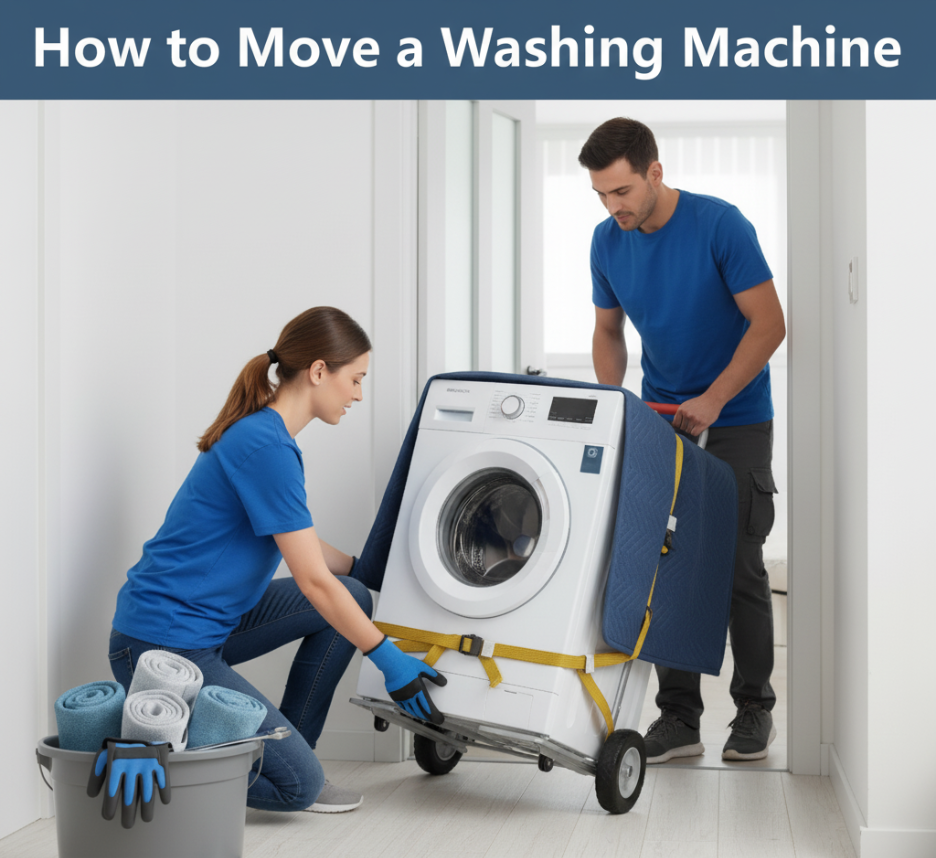
| Stair rollers | Roll heavy appliances down stairs safely | Fridges, washing machines, dryers |
| Non slip ramp mats | Stop items shifting on slopes | Driveways and ramps to the truck |
| Moving blankets | Protect furniture and walls in tight spaces | Stairwells and doorways |
| Corner guards | Protect wall corners from furniture edges | Tight turns in stairwells |
| Door ram covers | Protect door frames during carries | All doorways in a Queenslander |
| Low trolley or skate dolly | Move heavy items across flat ground | Under-house areas and flat yard sections |
Having the right equipment on the truck matters, but knowing when and how to use it matters more. Shoulder straps on a tight staircase with a low ceiling can actually make things harder if the removalists do not have the technique to match. Equipment is only as useful as the experience behind it.
Moving out of a Queenslander does not have to turn into a stressful day of stuck furniture and scraped walls. With planning around the stairs, the stilts and the driveway, plus a team that understands these homes, the move can run smoothly from the first box to the last piece down the steps. If you are planning a move out of a Brisbane Queenslander, Shift Buddies can help you plan around the stairs, stumps and slope before moving day arrives.
LOCATIONS & SUBURBS

From moving houses to office relocation services in records time, we’ve got the best removalist service in Brisbane – Book your next move with us online today!
© Copyright 2025 - Shift Buddies - All Rights Reserved | Designed, Marketing & Managed by Crazy Rise