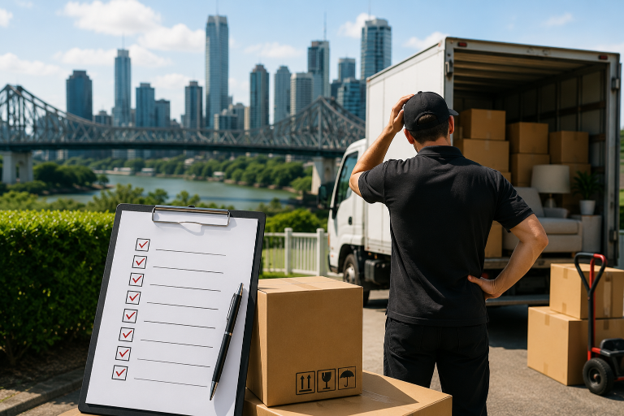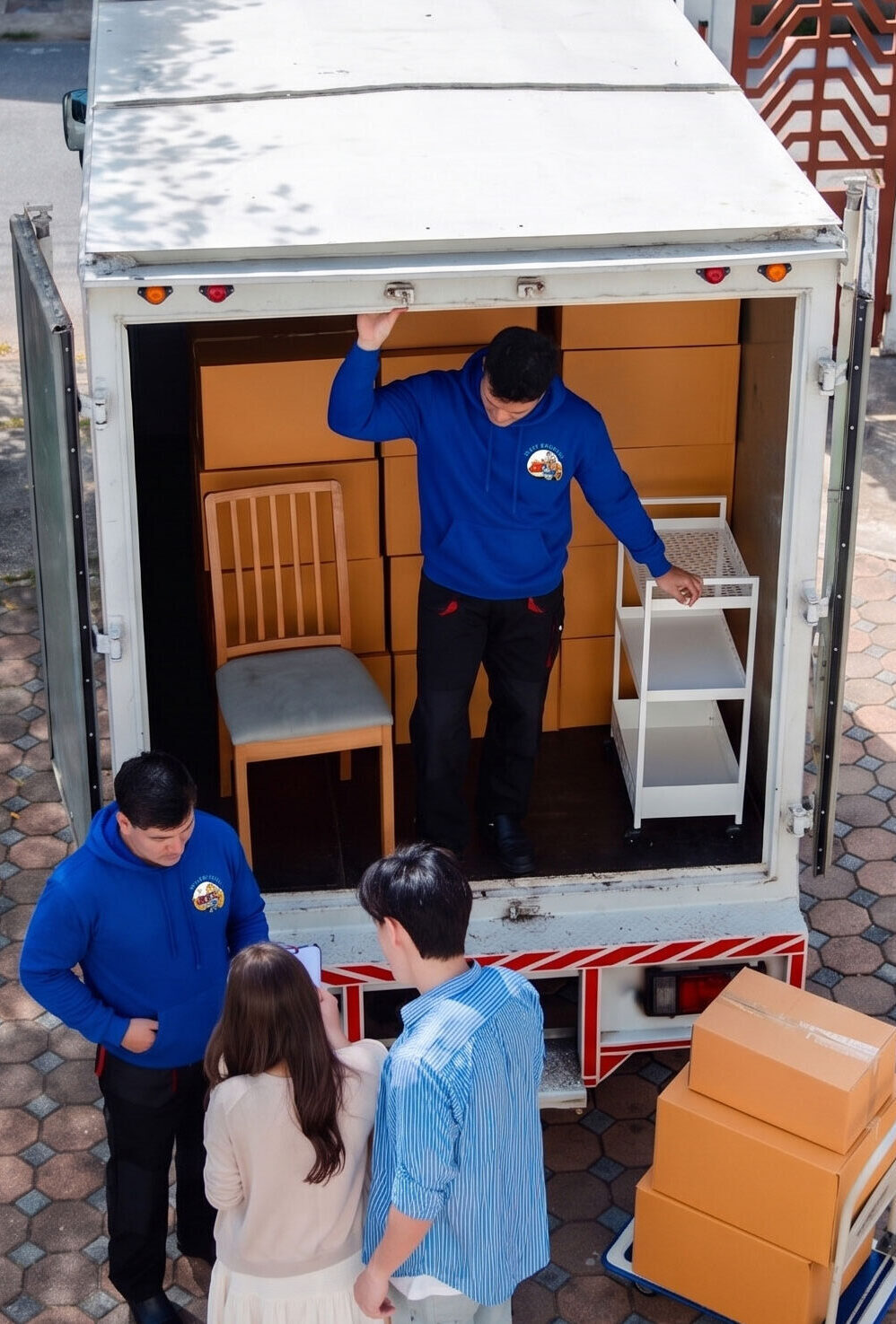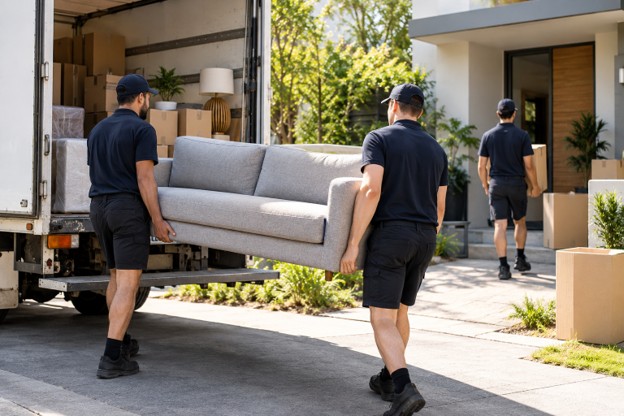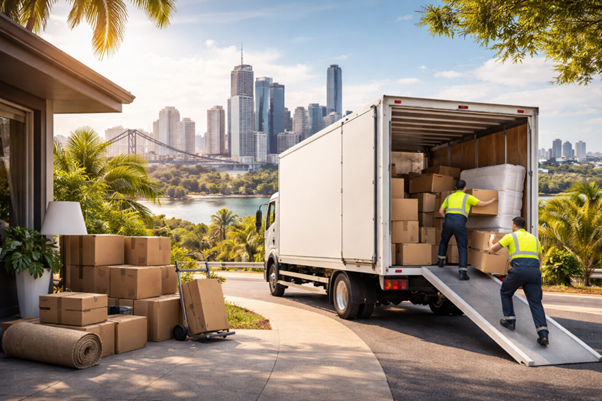
Moving day always feels simple until it isn't. You pack the boxes, book the truck, and assume everything you own will travel together in one trip. Then the crew arrives, spots the paint tins in your garage or the gas bottle by the barbecue, and tells you those items are staying behind.
It catches almost everyone off guard, and for good reason: nobody hands you a rulebook before booking a moving service. Whether you are hiring Brisbane house movers or organising an interstate relocation, the same core restrictions apply nationwide.
Removalists will not move anything that is illegal, hazardous, or likely to spoil in the back of a truck. That covers flammable chemicals like paint and petrol, gas cylinders, plants, pets, fresh food, cash, and anything without a lawful place in your home. Some items are refused because transport law bans them from the road, others because a single spill or leak could ruin everything else on the truck.
Removalists turn items away for one of three reasons: the law says they cannot carry it, their insurance will not cover it, or it is simply not safe to have it sitting in a sealed truck for several hours. It is rarely a case of a crew being difficult. It is a legal and safety obligation they cannot get around, no matter how reasonable the request seems.
Road transport of hazardous materials in Australia is governed by the Australian Code for the Transport of Dangerous Goods by Road and Rail, maintained by the National Transport Commission. This code sets out which substances count as dangerous goods and how they must be classified, labelled, and handled during transport. A standard furniture removal truck is not fitted out to carry those classifications, so anything that falls under the code gets refused on the spot.
The second reason is insurance. Most transit insurance policies specifically exclude damage caused by undisclosed hazardous goods. If a bottle of bleach leaks and ruins your sofa, that claim will likely be rejected because the item should never have been on the truck in the first place. The removalist is not just protecting themselves; they are protecting your claim too.
The third reason is practical. A moving truck heats up fast on an Australian summer day, gets bumped around on the road, and stays sealed for hours at a time. That is a terrible environment for anything flammable, anything alive, or anything that spoils.
Below is the full list, grouped by category so you can quickly check your own garage, shed, and pantry against it.
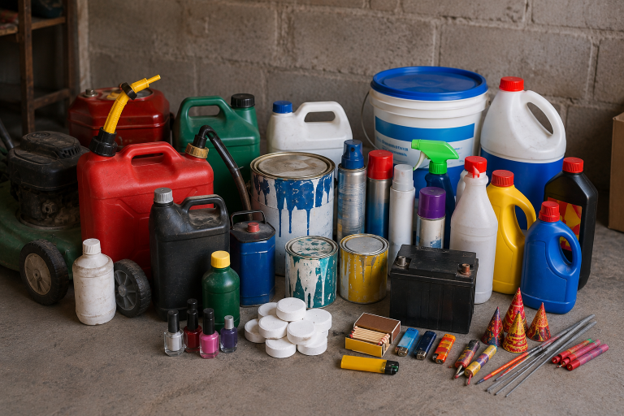
These are the items most people forget about because they live in the garage or laundry, out of sight until moving day.
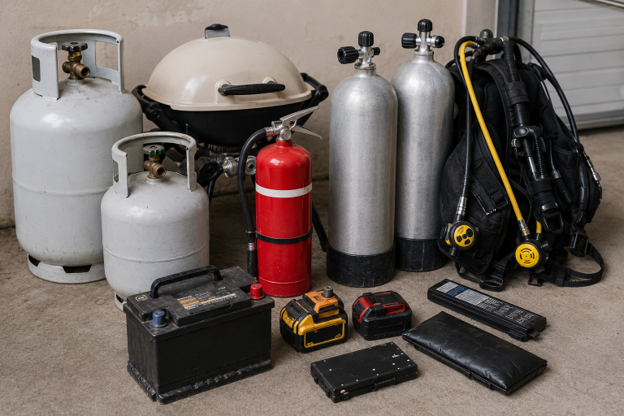

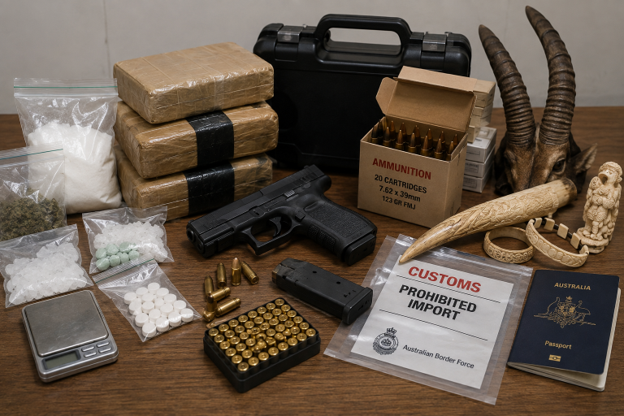
That list covers the items you will see on almost every professional removalist's exclusion list in Australia, and it lines up with the categories set out in the national dangerous goods code and standard industry practice from bodies such as the Australian Furniture Removers Association.
Removalists can’t move plants, and this is one of the most misunderstood rules of moving house. Potted plants carry soil, and soil can carry pests and plant diseases that removalists and transport companies are not permitted to move between regions without treatment or certification.
This is not just a removalist preference; it reflects real biosecurity law. Australia manages the movement of plants between states and even between regions within the same state to stop pests and diseases spreading into farming areas.
The Department of Agriculture, Fisheries and Forestry puts it plainly on its own advice page for people moving house: most states do not allow pot plants to be moved because soil and leaves can carry pests, and it is often cheaper and safer to buy new plants once you arrive rather than risk a fine or having the plant destroyed at a border.
You can read the full explanation on the Department of Agriculture's domestic travel page.
Fresh, frozen, and perishable food should not go in the removalist truck. A sealed truck offers no refrigeration and can reach very high temperatures inside on a warm day, so meat, dairy, and frozen items will spoil, and any spillage can contaminate other belongings.
Pantry staples that will not spoil quickly, such as tinned goods, dry pasta, rice, and unopened jars, are usually fine to pack in boxes and move on the truck, although some removalists still prefer you carry these yourself for a short local move simply to reduce weight and mess. For anything that needs to stay cold, plan to use an eski or cooler bag in your own car, or eat down your fridge and freezer in the week before the move so there is very little left to deal with.
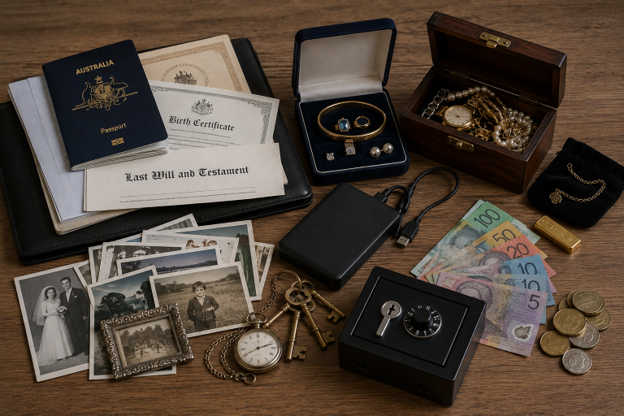
Certain items are simply better off travelling with you personally rather than sitting in a truck for hours, even when a removalist would technically be willing to carry them. This is less about strict rules and more about risk, value, and peace of mind.
| Category | Examples | Why Carry It Yourself |
|---|---|---|
| Financial and identity documents | Passports, birth certificates, property titles, wills | Irreplaceable, and often needed on hand during the move itself |
| Cash and jewellery | Cash reserves, family jewellery, watches | High value in a small space, easy target if a truck sits unattended |
| Medication | Prescription medicines, medical devices | You may need access during the trip, and heat can affect some medications |
| Electronics and hard drives | Laptops, external hard drives, cameras | More fragile than general furniture and hold irreplaceable data |
| Keys and chargers | House keys, car keys, phone chargers | Easy to lose in a large load and needed immediately on arrival |
| Sentimental items | Photo albums, heirlooms, children's favourite toys | No amount of insurance replaces genuine sentimental value |
| Plants and fresh food | Pot plants, fridge and freezer items | Cannot legally or practically travel on the truck, as covered above |
If losing it would be a genuine problem rather than an inconvenience, it belongs with you, not with the truck.
Most of the time, the removalist will simply flag the item and ask you to set it aside or find another way to transport it, which can slow down loading but rarely stops the whole job. For genuinely dangerous or illegal items, a crew is within its rights to pause or refuse the move entirely until the issue is resolved, because they carry legal responsibility for what travels in their vehicle.
This is exactly why a walkthrough of your garage, shed, laundry, and outdoor areas a few weeks before the move saves everyone time and stress. Most reputable Brisbane removalists , working across South East Queensland, will send through a restricted items list before the job so there are no surprises when the truck actually turns up.
None of these restrictions exist to make moving house harder than it already is. They exist because a truck full of your belongings, sealed up for several hours on an Australian road, is genuinely the wrong environment for fuel, live plants, fresh food, or anything that could leak, ignite, or spoil. Once you know the list, the fix is simple: sort these items out in the weeks before the move rather than the morning of it, and let the truck carry what it was actually built to carry.
A little preparation turns moving day from a stressful negotiation over what stays and what goes into a straightforward, predictable job for everyone involved, including the crew doing the heavy lifting.
Will removalists take away rubbish or unwanted items?
Generally no. Removalists are booked to transport your belongings, not to act as a waste collection service. If you need to get rid of furniture, chemicals, or old paint, arrange council collection, a charity pickup, or a separate rubbish removal service ahead of time.
Can I hide a restricted item in a sealed box?
This is strongly discouraged. Beyond the safety risk to the crew and your own belongings, most moving contracts make clear that undisclosed hazardous goods void relevant insurance cover, so any damage caused would not be compensated.
Do the same rules apply to interstate moves?
Largely yes, and interstate moves add an extra layer around plants, produce, and soil because of state based biosecurity borders. Always check the current entry conditions for your destination state before packing anything from the garden.
What about medications and vitamins?
Small quantities in a bag you keep with you are fine and generally the safest option. Bulk stock or anything requiring refrigeration should not be left in a sealed truck for an extended period.
Can removalists move a locked gun safe?
Firearms need to be unloaded, secured, and often transported separately in line with state firearms legislation. Speak with your removalist directly and check requirements with your state firearms registry before moving day, since rules vary and this is not something to assume.
LOCATIONS & SUBURBS

From moving houses to office relocation services in records time, we’ve got the best removalist service in Brisbane – Book your next move with us online today!
© Copyright 2025 - Shift Buddies - All Rights Reserved | Designed, Marketing & Managed by Crazy Rise